
Boosting Your Child's Immune System Before Cold & Flu Season
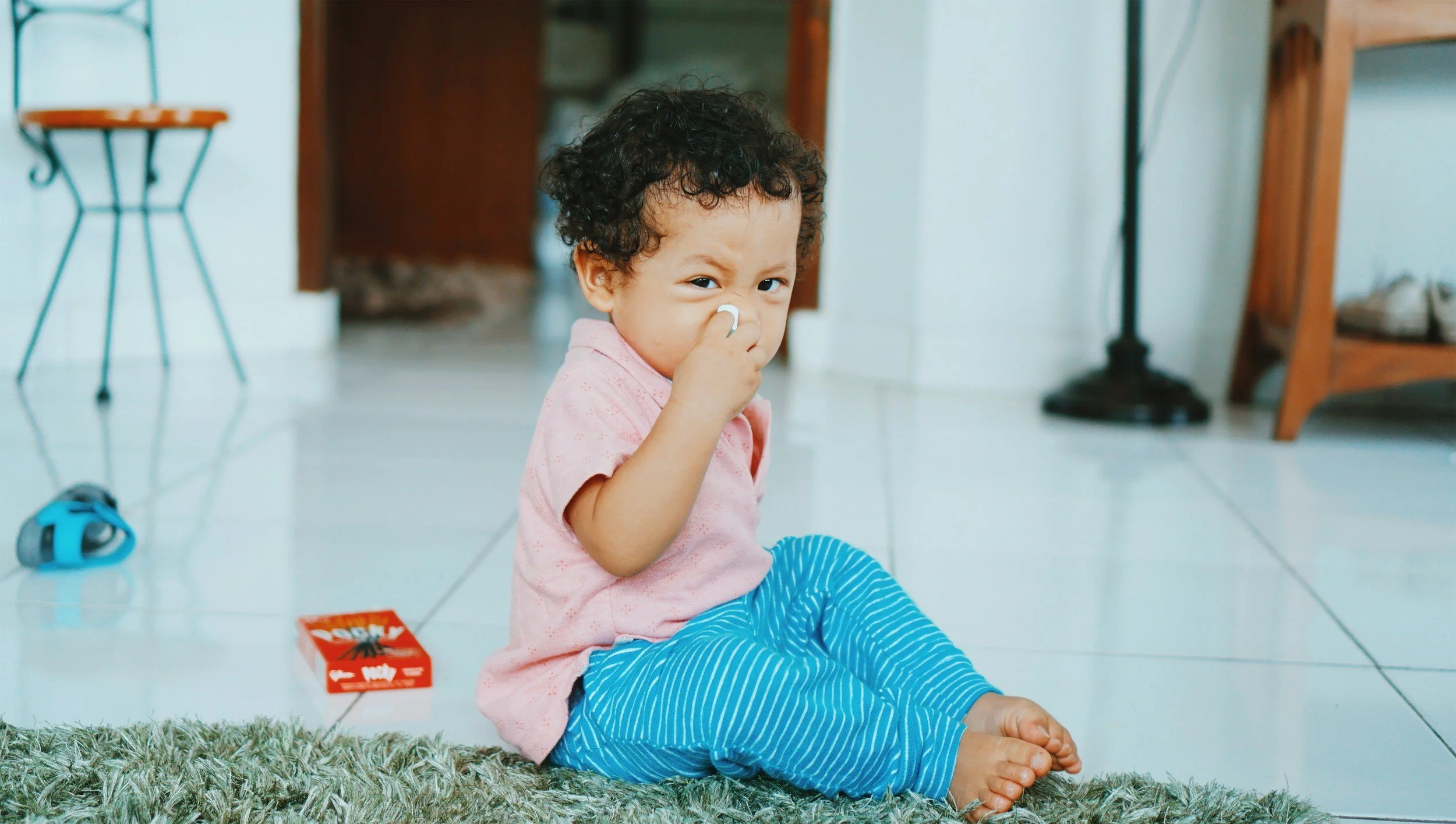
It's still warm outside, but if you've ever lived through October at daycare pickup, you know how fast one runny nose turns into three. By the time cold and flu season actually arrives, it's often too late to start preparing. The good news is that late summer is exactly the right time to start building your child's defenses, and most of what genuinely helps is simpler than you'd think.
What's Actually Happening With Your Child's Immune System
Young children get sick more often than adults for a simple reason: their immune systems are still learning. Every cold, every stomach bug, every mystery rash is your child's body building a library of antibodies it will use for the rest of their life. Kids in group care settings like preschool or daycare are exposed to more germs, which is part of why they seem to catch everything during that first year or two, but it's also why their immune systems mature faster than those of kids who stay home.
This doesn't mean illness is something to chase, but it does mean a few sniffles aren't a sign that something is wrong with your child or your parenting.
Common Mistakes Parents Make
A lot of well-meaning immune support doesn't hold up to what we actually know about child development:
Over-relying on supplements. Vitamin gummies and immune boosters are rarely harmful, but they're not a substitute for sleep, nutrition, and routine.
Over-sanitizing. A completely germ-free environment can actually slow down healthy immune development. Dirt and germs in reasonable amounts are part of the process, not the enemy.
Skipping sleep for "fun." Late summer schedules get loose. Sleep is one of the single biggest factors in immune resilience for young children.
What Genuinely Helps
Protect the sleep schedule. Children ages 1–5 need 10–14 hours of sleep in a 24-hour period. Inconsistent bedtimes in late summer make the fall transition harder on developing immune systems.
Build the plate around variety, not perfection. Color variety in fruits and vegetables matters more than any single "superfood." A few bites of three different vegetables beats a perfect plate your child won't eat.
Get outside daily. Fresh air and physical activity support healthy immune and respiratory function, and it's a habit that's much easier to build in July than in January.
Start handwashing routines now. Practicing good handwashing habits before the season ramps up means it's already second nature by the time cold and flu season hits.
When to Talk to Your Pediatrician
If your child seems to catch every illness that comes through and takes an unusually long time to recover, or if you notice recurring ear infections or respiratory issues, it's worth having a conversation with your pediatrician. Most frequent colds in young children are simply part of normal immune development, but your doctor can help you tell the difference between typical and something worth a closer look.
How We Support This at The Pointe
At The Pointe Christian Academy, we believe caring for a child's body is part of caring for the whole child God made them to be. Our classrooms follow consistent handwashing routines, daily outdoor time, and rest schedules built around what we know about healthy child development, not just convenience. We see it as part of our stewardship of the kids entrusted to us, not just a policy on a clipboard.
You're not going to immunity-proof your child before fall, and that's okay. What you can do is give their body the foundation it needs: enough sleep, real food, fresh air, and a few good habits started now, rather than in a panic come October. That's not a small thing. That's most of it.
Curious what a day at The Pointe Christian Academy actually looks like? We'd love to show you. Schedule a free tour and see how we care for the whole child, body and spirit.
Written by Dr. David Lombard, Child Psychologist and Executive Pastor for The Pointe Christian Academy. David has worked with children and parents for over twenty-five years and is passionate about helping families navigate the beautiful chaos of the early years. David is also a father to eight children and is raising his granddaughter, which means he has lived through most of what he writes about.